
Government unveils barring scheme for executive-level managers

Senior NHS managers in England could be banned from NHS jobs for serious misconduct under details of new barring scheme unveiled by ministers last month.
In its official response to the public consultation on regulating NHS managers, which closed in February, the government confirmed that the barring scheme will apply only to board-level managers and staff who report directly to them. This is likely to include all very senior managers (VSMs) working for trusts and ICBs in England. Executive managers working for NHS England will not be covered due to its abolition and the transfer of its functions to the Department of Health and Social Care.
The government said it would consider extending the disbarring scheme to some Agenda for Change grades, specifically Band 9, but only after a “thorough review of the regulatory system once embedded”.
The scheme will be run by the Health and Care Professions Council (HCPC), which will be given new powers under legislation, expected to be introduced during this parliament. The government said it would set out further details on the regulatory process before legislation is introduced, with a further public consultation expected on the draft bill.
“We’re pleased that the government has listened to our views on management regulation,” said MiP chief executive Jon Restell. “It is sensible to limit regulation to the most senior posts, at least to begin with. And we argued strongly for an independent regulator.”
But he warned “there is lot of work to do” before the scheme can begin. “The government will need to clearly define standards, design a fair regulatory process and answer several technical questions such as what happens to managers already covered by a regulator,” he said. “MiP is ready to work with the government on these issues.”
Statutory regulation is “a small piece of jigsaw”, he added. The “culture change, greater accountability and higher professional standards,” MiP members wanted to see “requires a much bigger effort”.
“This means trusting managers to get on with the job, freeing them up and letting go of micro-regulation from Whitehall,” he said. “And it also means having enough managers working in stable organisations. The hard truth for patients and staff is that the government’s swingeing job cuts and risky system upheaval are the biggest threats to good management in the NHS.”
Related Stories
-
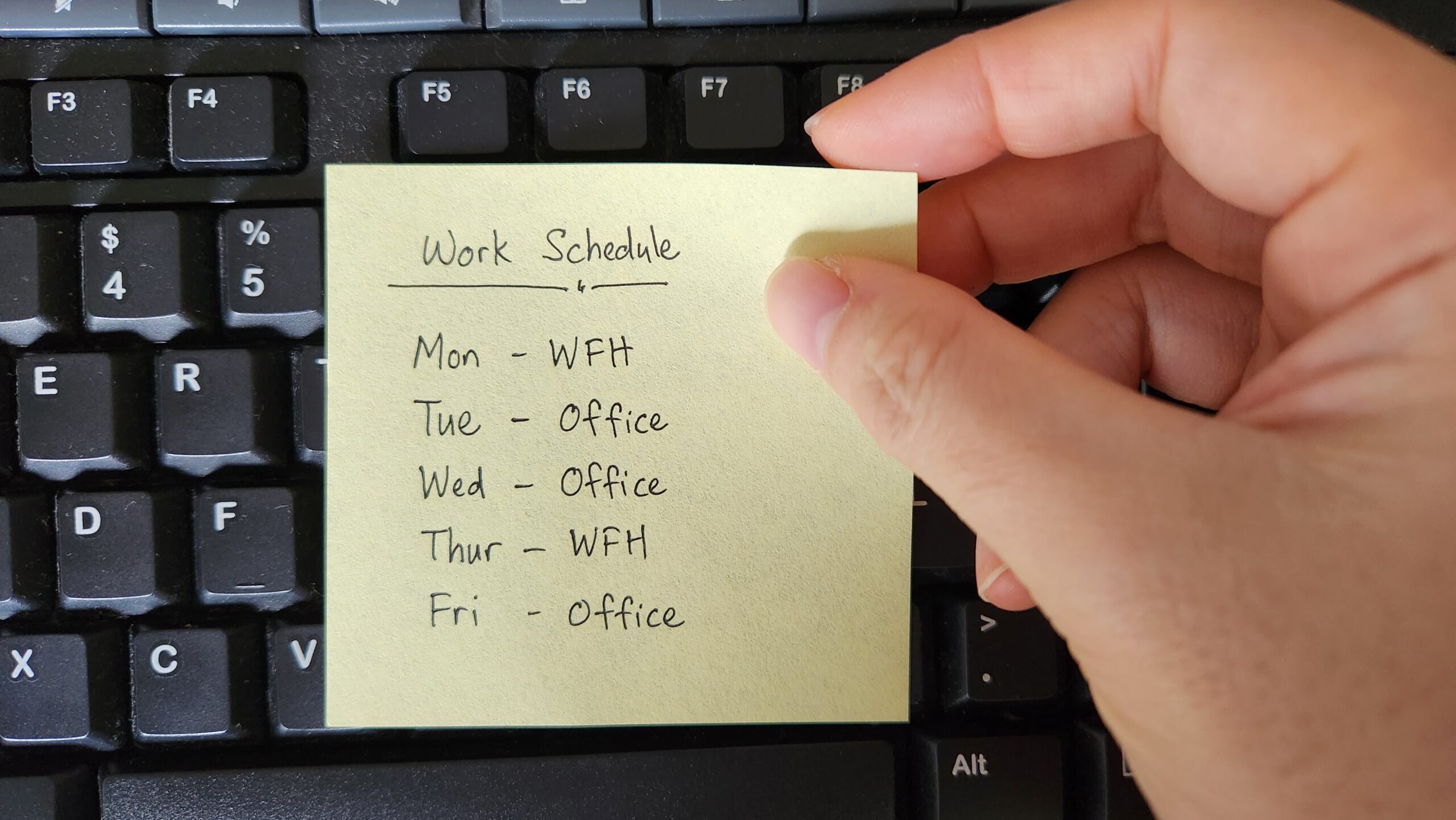
Back to office order reversed after unions and staff protest
NHS England has “paused” its demand for staff to work in the office for at least 60% of their working time following opposition from staff and trade unions.
-
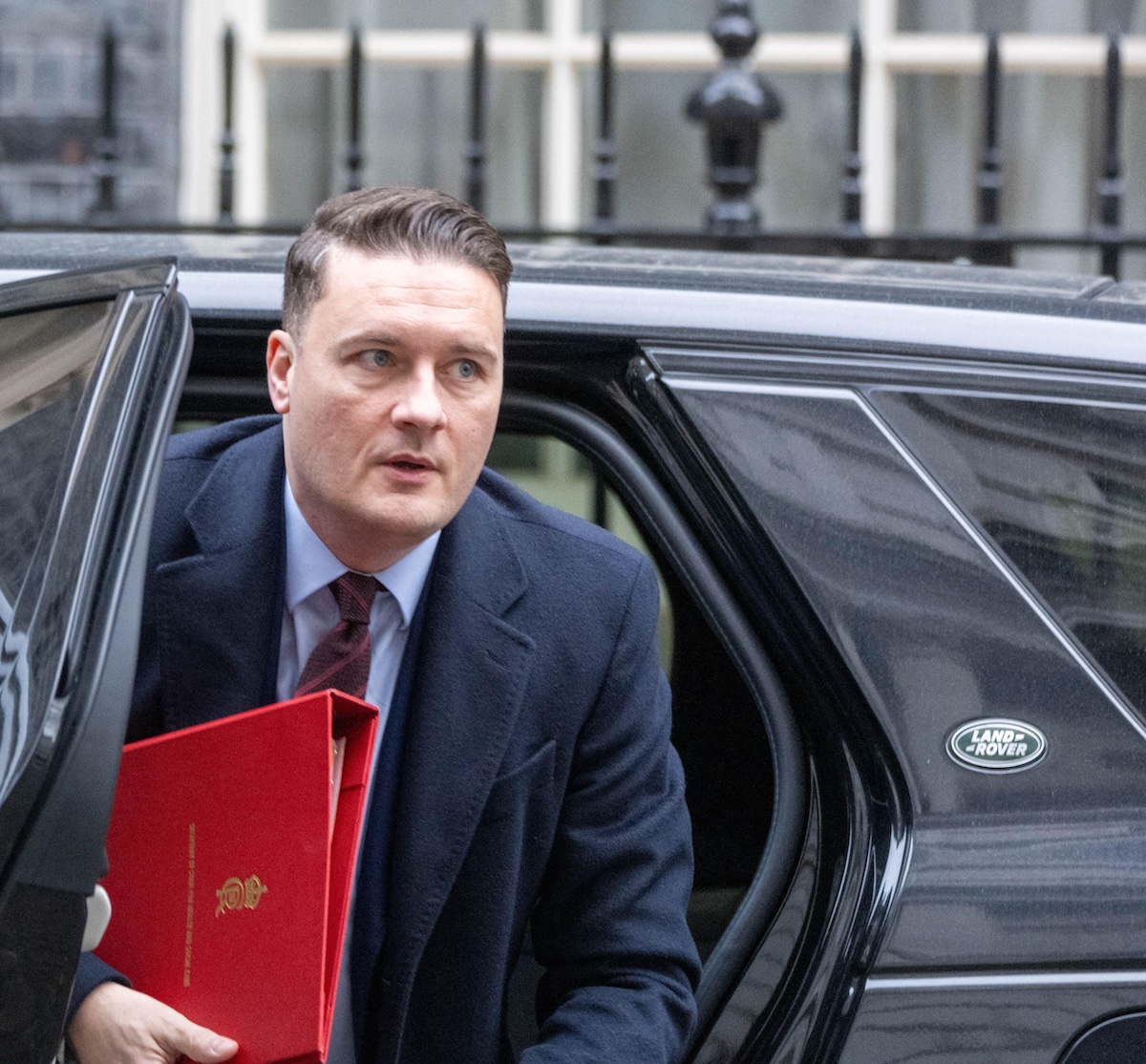
Government must “come clean” about NHS shake-up, says MiP
A year after it ordered tens of thousands of job cuts in the NHS in England, MiP is urging the government to “come clean” about how the NHS will be run after the changes.
-

Government proposal for sub-inflation pay rise “not good enough”, says MiP
Pay rises for most NHS staff should be restricted to an “affordable” 2.5% next year to deliver improvements to NHS services and avoid “difficult” trade-offs, the UK government has said.


