
When you need someone on your side…
We speak to one MiP member about how sloppy HR procedures and a mishandled complaint affected her – and how the union was able to help.
Last summer, MiP member Melissa (not her real name) was taking special leave from her job in public health to care for her husband, who had just had an operation, when she received an alarming phone call. A colleague had accused her of bullying and taken out a formal grievance against her. 
“I’ve been working in and around the NHS for 40 years, and I’ve never had a grievance against me,” she says. “I
was gobsmacked. It was completely out of the blue.” Melissa has raised concerns about a colleague’s performance and a previous complaint against his line manager – which Melissa believed was unfounded. But she was shocked to find this construed as bullying. “There was no review process, and no attempt to check out whether what he was saying was actually true. My own line manager wasn’t even allowed to review it.
“There was a history of a bumpy relationship but I thought I was giving him leeway because I genuinely thought someone’s not being really bad if the job’s beyond them,” Melissa adds. “I was prepared to redraw the job so he could cope with it because he was learning like everyone else.”
Outdated procedures
She immediately contacted MiP and met with national officer Jo Spear. “I found MiP really helpful,” she says. “Jo was brilliant with helping me through a procedure that was very much in his favour in terms of calling the shots on the process.”
Jo quickly spotted that the employer’s grievance procedures were out of date and based on the wrong employment legislation. “Jo looked at the processes and they were all over the place like a dog’s breakfast. They were using things that hadn’t been allowed since 1993,” Melissa says. “I was worried about how upset I’d be at the meeting. But I knew Jo was there to step in and help me, so that took that kind of pressure off.”
At the hearing, Jo intervened to ask why there had been no informal process and why Melissa’s side of the story had not been heard. Under its outdated procedures, Melissa’s employer wouldn’t even show her the written allegations against her because they contained accusations against several other people.
Outrageous accusations
“Jo made it clear that if it went to a tribunal we would get sight of the documents anyway,” Melissa explains. “Once I knew other people had been accused, I felt sure those accusations would be outrageous too.”
Shortly after the hearing, Melissa heard that the complaint against her would not be upheld. “I was told ‘we know a lot of this is made up, we know a lot of what’s there is lies’,” she says. “I was amazed at how very upset about it I was… I just couldn’t get it out of my head at all. It was really a much more dramatic emotional pressure than I had ever envisaged. And it turned out to be just vexatious lies being thrown in a scattergun fashion at everybody.”
Melissa says her employer’s poor HR practice made a difficult situation much worse. “There should’ve been some process of mediation and sorting out whether things are true. The situation was crazy for me and his line manager – we couldn’t even do our jobs properly… [The complainant] was a problem but the truth is the HR department here is a big problem too.”
Challenging the culture
MiP’s national officer, Jo Spear, explains that MiP members are facing more accusations from staff as pressure on the NHS builds. “We support individual managers, but we can also challenge and influence the culture of the organisation. Many policies and procedures need updating and we are campaigning to improve training for investigations and informal resolution.”
Related News
-

Co-production: say it like you mean it
The NHS talks a good game on co-production, but many patients and carers still feel service changes are done ‘to’ them not ‘with’ them. As Jessica Bradley discovers, meaningful co-production means building lasting relationships and sharing decision making power.
-
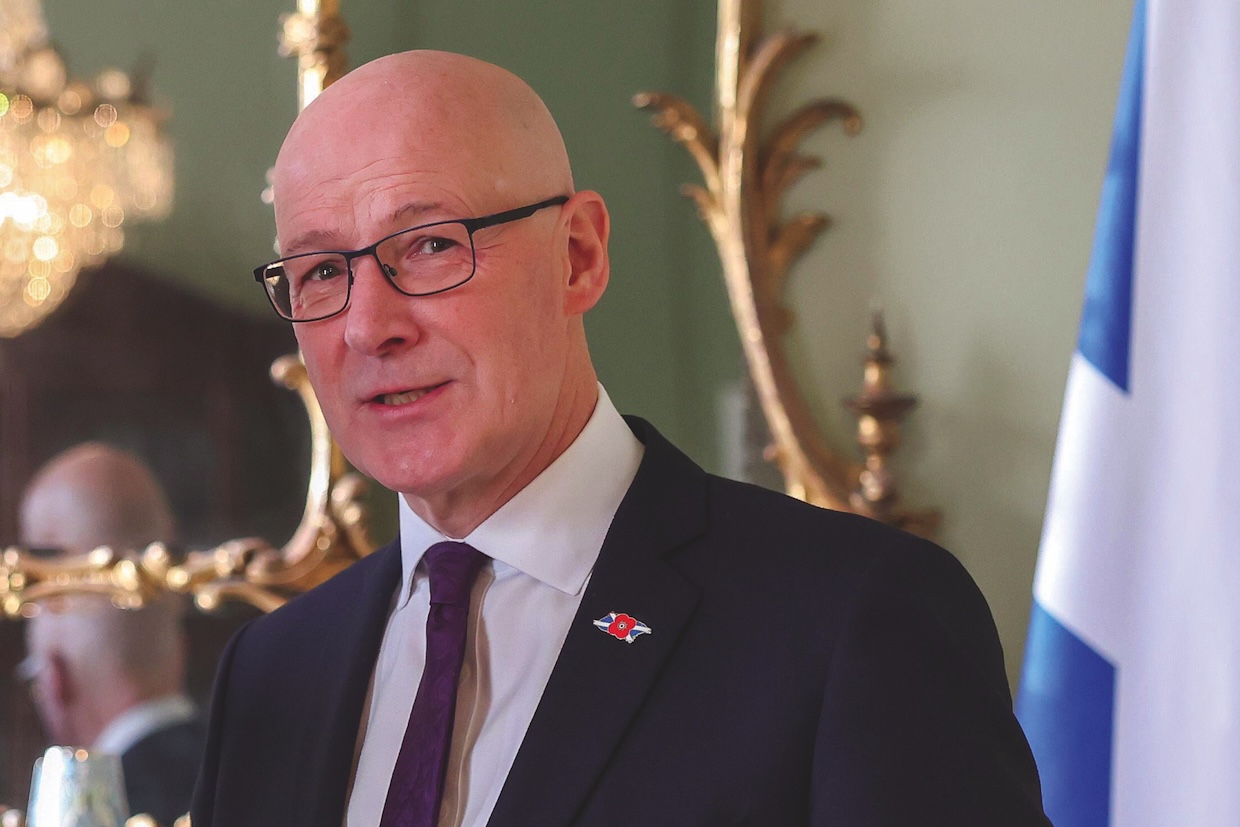
Holyrood elections: Back from the brink—for more of the same?
After a big scare last year, the SNP are now clear favourites to extend their rule at Holyrood into a third decade, pointing to incremental reform rather than radical change for the NHS in Scotland. Rhys McKenzie reports.
-
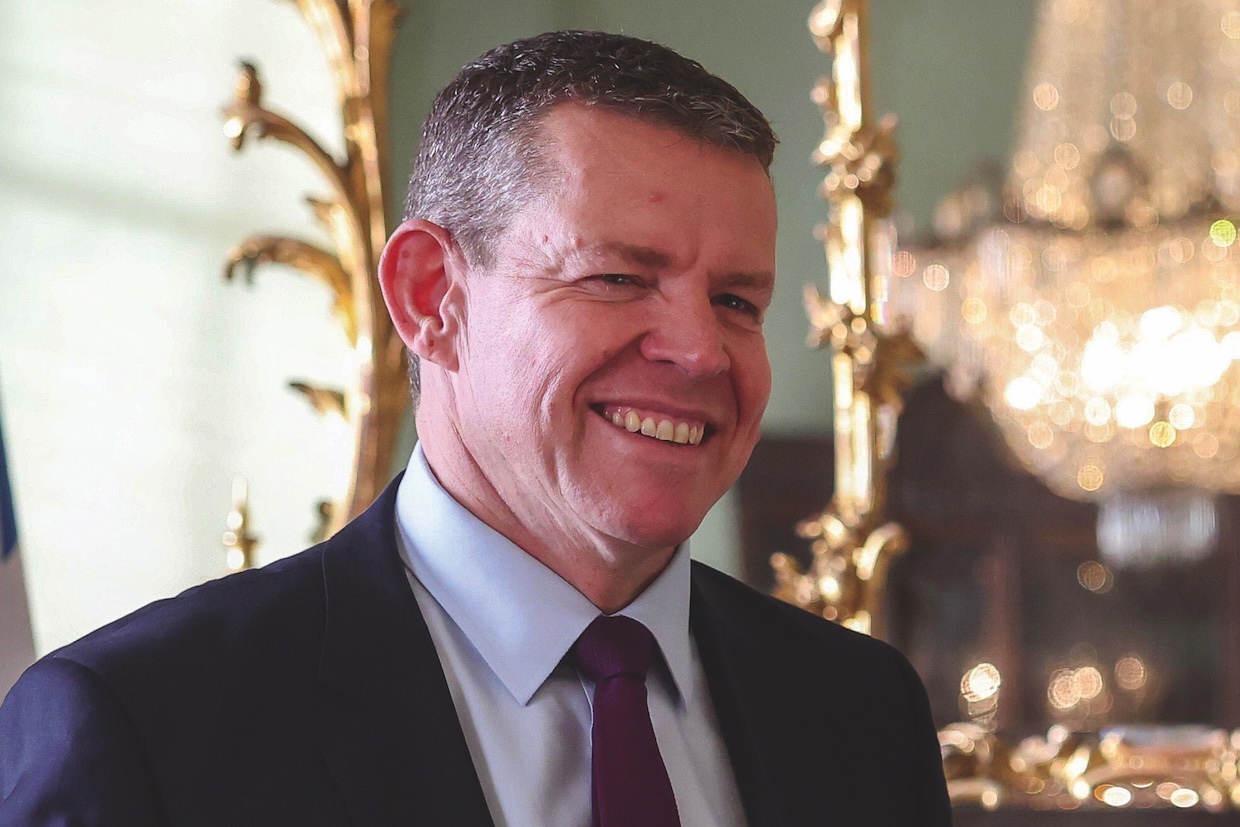
Senedd elections: Tough choices, empty promises
As we enter 2026, the NHS in Wales faces some stark choices and a likely change of government. But the parties vying for power at Cardiff Bay will need to up their game to meet the challenges ahead. Craig Ryan reports.


