
Redundancy: know your rights to consultation
With redundancies happening all over the NHS in England, remember that your employer has a legal duty to consult with you and your union—and that consultation must be ‘meaningful’. Sarah Schnider explains.

By law, employers who propose to make 20 or more staff redundant at one establishment in a 90-day period, must consult in good time with the appropriate employee representatives.
This duty, set out in the 1992 Trade Union and Labour Relations Act, also applies when an employer proposes to dismiss and re-engage staff on different (usually inferior) terms and conditions—a practice commonly known as ‘fire and rehire’. But what does fair consultation look like?
What are ‘fair’ consultations?
The judgment in the case of R v British Coal Corporation and Secretary of State for Trade and Industry, gives a helpful foundation by setting out the requirements for fair consultation under the 1992 Act:
- Consultation should commence in the formative stages of the proposed changes, allowing employees to raise opinions early in the consultation process
- The employer should provide adequate information on which the employee and their representatives can respond
- The employer should allow adequate time (at least 30 days, or 45 if more than 100 staff are involved) so representatives and staff can respond
- Conscientious consideration is required from the employer; this means that employees’ responses to the consultation is genuinely listened to and not simply disregarded
Fair means meaningful
In short, fair consultation requires meaningful consultation. The employer has an obligation to engage with employees and their representatives—which will be the trade union where one is recognised—so that their voices can be heard and their opinions explored.
The consultation process should be used to facilitate ideas, with a view to reaching agreement on the decisions to be taken on the proposed changes. All four stages discussed above should be conducted in good faith. Judicial commentary on consultation shows that employers should define the objectives of the proposed changes, so that staff and their representatives have a clear understanding of them and can give an informed response.
In the NHS, consultations will usually be with the recognised trade unions, including MiP. For example, the trade union framework agreement for NHS England stipulates that consultations on redundancy will take place within the Partnership Forum. Within this structure, employers and representatives should work with a genuine aim to reach an agreement, by following the four steps above, in good faith for as long as reasonably possible.
What happens when consultation isn’t ‘meaningful’?
If an employer acts disingenuously—meaning they have not adequately engaged with the consultation in good faith—a tribunal claim is possible under the 1992 Act.
Section 188(2) of the Act states that consultation should aim to prevent and reduce redundancies, or where this is not possible, mitigate the consequences. Section 188(4) sets out the information employers must provide on their redundancy proposals, which includes the business reasons, to ensure the consultation is meaningful.
In the case of Susie Radin Ltd, the Court of Appeal provided useful insight into the importance of meaningful consultation, by holding that an Employment Tribunal could make a protective award for failure to consult on redundancies even if there was no evidence that meaningful consultation would have produced a different outcome. Such protective awards are punitive on the employer and are not intended to compensate employees for financial loss.
In the judgment, Lord Justice Sir Peter Gibson confirmed “the absolute obligation on the employer to consult, and to consult meaningfully’, and that for “such consultation to be in good time and to be conducted with representatives who are fully informed by reason of the required disclosure specified in section 188(4)… the employer must undertake the consultation not as an end in itself but with a view actually to reach agreement.”
It is clear that the duty to consult is not a mere box ticking exercise. The costs to an employer who breaches their consultation obligations can be high: a tribunal can award up to 90 days’ pay per employee—a limit set to double to 180 days from April 2026 under the government’s Employment Rights Bill. //
- Sarah Schnider is an employment rights adviser at Thompsons Solicitors, MiP’s legal advisers. For more information visit the Thompsons website. Legal Eye does not offer legal advice on individual cases. if you need personal advice, contact MiP by emailing MemberAdvice@miphealth.org.uk.
Related Stories
-

Constructive dismissal: look before you leap
Chaotic reorganisation, clashing priorities and constant stress leave some managers feeling they have no option but to resign. But in what circumstances could resignation amount to constructive dismissal? Jo Seery explains the law on constructive dismissal, the challenges it presents and the other options available.
-

Know your new legal rights at work
The government’s employment bill has been styled as the biggest upgrade to workers’ rights in a generation. Jo Seery explains what the new rights will mean in practice for MiP members.
-

Employment transfers: a brief guide to the law
With the NHS transfer window wide open again, Jo Seery from Thompsons Solicitors explains your rights if you have to move to a new employer.


Latest News
-
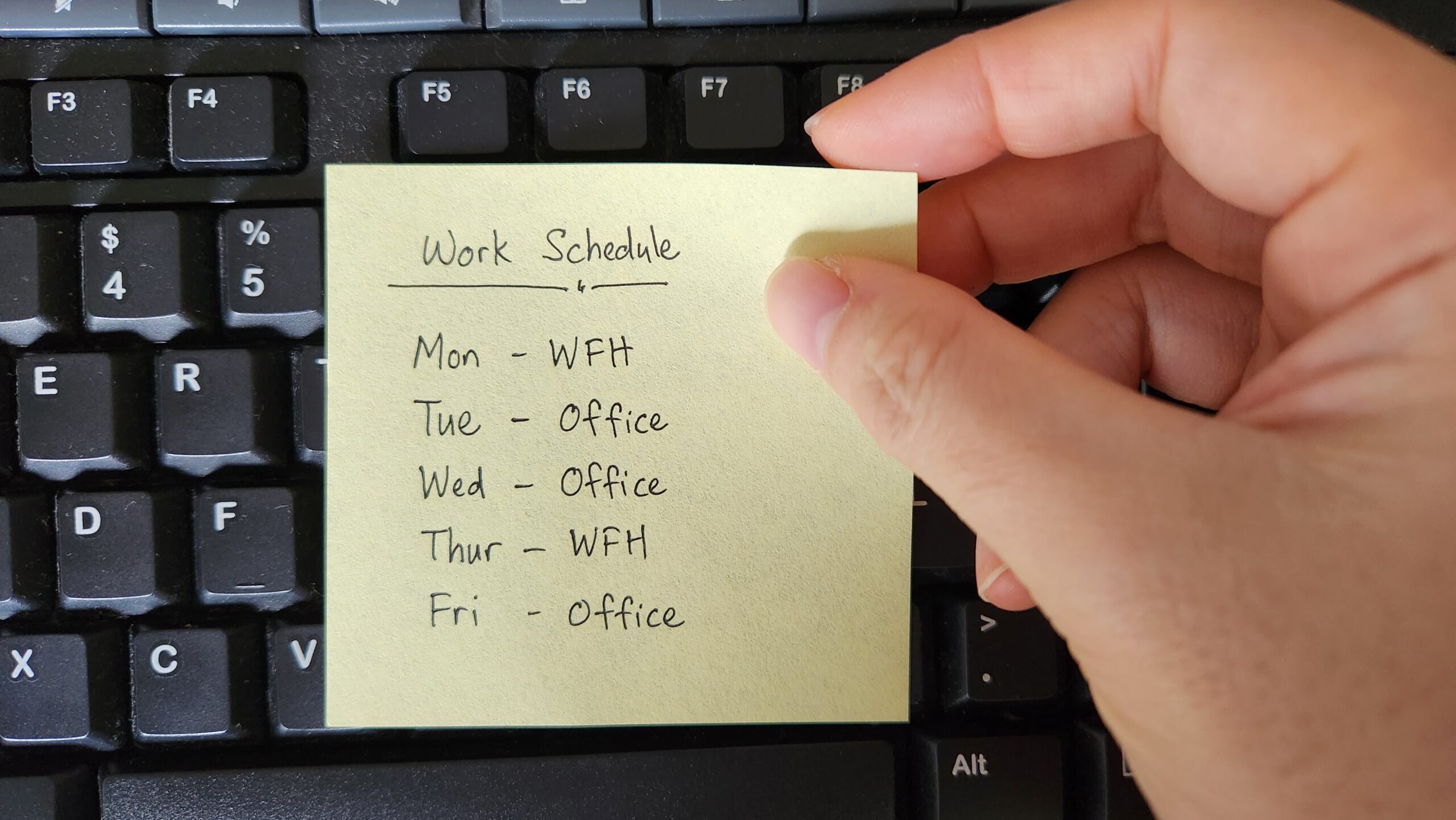
Back to office order reversed after unions and staff protest
NHS England has “paused” its demand for staff to work in the office for at least 60% of their working time following opposition from staff and trade unions.
-

Government must “come clean” about NHS shake-up, says MiP
A year after it ordered tens of thousands of job cuts in the NHS in England, MiP is urging the government to “come clean” about how the NHS will be run after the changes.
-

Government proposal for sub-inflation pay rise “not good enough”, says MiP
Pay rises for most NHS staff should be restricted to an “affordable” 2.5% next year to deliver improvements to NHS services and avoid “difficult” trade-offs, the UK government has said.


