
Know your new legal rights at work
The government’s employment bill has been styled as the biggest upgrade to workers’ rights in a generation. Jo Seery explains what the new rights will mean in practice for MiP members.

The Employment Rights Bill (ERB) is in the final stages of its passage through parliament and is expected to become law this autumn. In this article, we summarise the proposed changes to unfair dismissal rights, employer’s duties to consult over redundancy and protection from discrimination—as well as improvements to ‘family friendly’ rights.
Claiming unfair dismissal from day one
One of the ERB’s key features is giving employees the right to claim unfair dismissal from day one of their employment1. An employer must act ‘reasonably’ when dismissing someone for one of the five ‘fair’ reasons: conduct, capability, redundancy, breach of a statutory duty or ‘some other substantial reason’ (SOSR).
During the ‘initial period of employment’ (IPE), regulations—to be made once the bill is passed—will set out a ‘light touch’ procedure which employers must follow before dismissing an employee. The light touch approach will apply where the reason for dismissal is anything other than redundancy. The duration of the IPE will also be set in regulations, but is expected to be nine months.
This effectively introduces a probationary period during which it may be easier employers to dismiss an employee except for redundancy. But staff with less than two years’ service will not qualify for statutory redundancy pay. They may claim a basic award if they are dismissed unreasonably on grounds of redundancy during their IPE, but a lower level of compensation may apply, because the secretary of state has the power to specify a different level of compensation for employees dismissed during their IPE.
During the report stage, the House of Lords tabled an amendment to introduce a six-month qualifying period for unfair dismissal claims, but this is unlikely to be accepted when the bill returns to the Commons, as the ‘day one’ right is a Labour manifesto commitment.
According to the government’s implementation roadmap the right to claim unfair dismissal from day one is not expected to come into force until 2027.
Collective redundancy
The ERB makes significant amendments to the duty on employers to consult the appropriate representatives (e.g. unions) if it proposes to dismiss 20 or more employees at one establishment within a 90-day period. Subsequent regulation will set a new threshold for employers proposing to dismiss employees across the business at different sites or workplaces—this could be a percentage of the workforce or a specified number higher than 20.
Under the ERB there would be no need for an employer to consult all employee representatives together, nor to reach the same agreement with all representatives. The bill also increases the level of a protective award—where the employer fails to comply with the consultation requirements—from 90 to 180 days’ pay.
According to the roadmap, the changes to protective awards will take effect from April 2026, while the additional threshold for collective redundancies across different workplaces will come into force in 2027.
Discrimination protection and ‘family friendly’ rights
Under the bill, employers will be liable for harassment of an employee or job applicant by a third party—a patient for example—where it takes place during the course of employment and the employer failed to take all reasonable steps to prevent it. Regulations will specify what reasonable steps an employer should take to prevent both third party harassment—and sexual harassment in general—at work.
Any agreement, such as a settlement agreement or a contract of employment, which prevents a worker from making or disclosing an allegation of harassment or discrimination will be void.
The right to request flexible working will also be strengthened, by shifting the burden to the employer to explain why it is reasonable to refuse a request on one of the eight statutory grounds.
The bill also gives employees the right to paternity leave and unpaid parental leave from day one, and introduces a new right to take one week of unpaid bereavement leave, which will also apply to pregnancy loss earlier than the 24th week. //
- UPDATE NOVEMBER 2025: Following talks with employers’ groups and the TUC, the government announced plans to water down its employment rights bill. Under the revised proposals, the right to unfair dismissal will now kick in after six months’ employment, rather than from day one. ↩︎
- Jo Seery is a senior employment rights solicitor at Thompsons Solicitors, MiP’s legal advisers. For more information visit the Thompsons website. Legal Eye does not offer legal advice on individual cases. Members needing personal advice should contact MiP by emailing MemberAdvice@miphealth.org.uk.
Related Stories
-

Redundancy: know your rights to consultation
With redundancies happening all over the NHS in England, remember that your employer has a legal duty to consult with you and your union—and that consultation must be ‘meaningful’. Sarah Schnider explains.
-

Constructive dismissal: look before you leap
Chaotic reorganisation, clashing priorities and constant stress leave some managers feeling they have no option but to resign. But in what circumstances could resignation amount to constructive dismissal? Jo Seery explains the law on constructive dismissal, the challenges it presents and the other options available.
-

Employment transfers: a brief guide to the law
With the NHS transfer window wide open again, Jo Seery from Thompsons Solicitors explains your rights if you have to move to a new employer.


Latest News
-
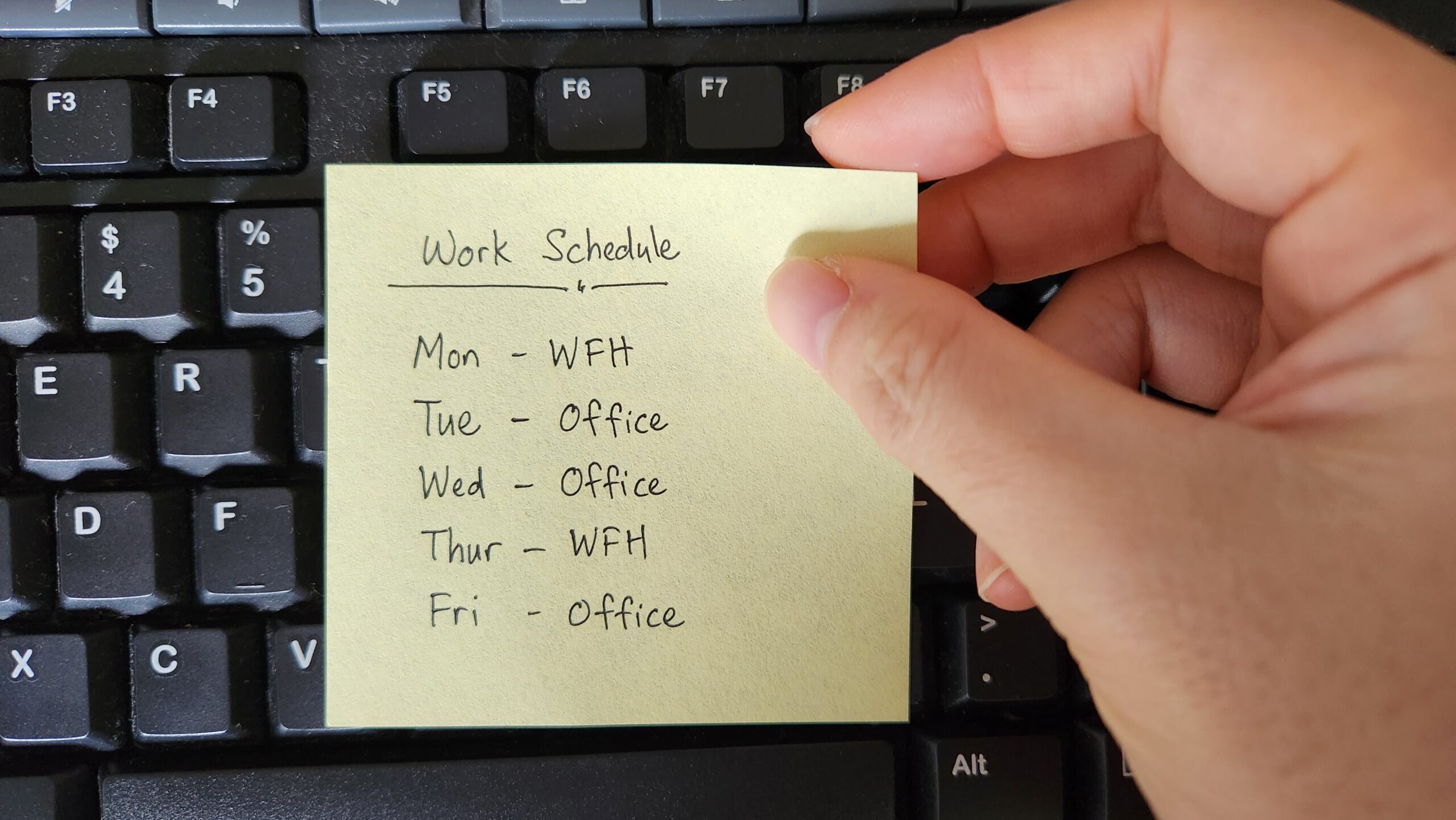
Back to office order reversed after unions and staff protest
NHS England has “paused” its demand for staff to work in the office for at least 60% of their working time following opposition from staff and trade unions.
-

Government must “come clean” about NHS shake-up, says MiP
A year after it ordered tens of thousands of job cuts in the NHS in England, MiP is urging the government to “come clean” about how the NHS will be run after the changes.
-

Government proposal for sub-inflation pay rise “not good enough”, says MiP
Pay rises for most NHS staff should be restricted to an “affordable” 2.5% next year to deliver improvements to NHS services and avoid “difficult” trade-offs, the UK government has said.


