
How to build your personal brand
Building a strong personal brand isn’t about self-promotion, it’s about who you are as a leader, what you care about and the impact you make at work. Executive coach Gillian Smith offers 8 tips to get you started.

1. Begin with the impression you want to leave
This simple question can unlock a surprising amount of insight: “When someone says your name when you’re not in the room, what do you hope comes to mind?” Most people don’t answer with job titles or achievements. They talk about qualities: warmth, clarity, fairness, courage. Or they describe impact: someone who brings calm, who lifts others up, who gets things done. These early clues point to the essence of your personal brand and the emotional footprint you leave.
2. Understand what personal brand is
Many leaders feel that the phrase “personal brand” sounds artificial or self‑promotional. But in practice, it’s what ties together who you are, what you care about and how you show up. It’s the picture that emerges when people describe what it’s like to work with you. Crucially, it’s not about being liked by everyone or curating a perfect image. The strongest brands are lived, not performed, and they evolve with you. Start from where you are and build from what’s already true.
3. Explore what you value
Values sit at the heart of your personal brand. They shape your decisions, boundaries, leadership style and the way you want others to experience you. Try listing five values that feel alive in your day‑to‑day work—the ones you notice when they’re honoured or violated. Then narrow them down to the two or three that feel non‑negotiable. These values are the principles that shape your signature.
4. Identify your natural strengths
Your strengths are the behaviours people already associate with you when you’re at your best. Think about moments when you felt proud of how you showed up, or when someone thanked you for something that felt small to you but meaningful to them. These might include bringing calm to chaos, creating clarity from complexity, asking good questions, building trust or generating ideas. Strengths give your signature definition.
5. Bring your brand to life
A personal brand only becomes real when it’s lived. Small, consistent actions are often the most powerful. If you value clarity, you might summarise decisions or check understanding. If you value fairness, you might invite quieter voices into the room. These micro‑habits build trust. Communication is another key expression of your brand. Tone, pace, curiosity, and honesty all signal your values. When your words, tone and intentions match your values, people feel they’re genuine and authentic. Behaviours are everyday ways your signature shows up.
6. Shape your “leadership promise”
This is the experience you want others to have of you. It’s your quiet commitment: “When you work with me, this is what you can count on.” Prompts that might help you articulate this for yourself include:
- I’m at my best when…
- I want people to feel… after interacting with me.
- The difference I want to make is…
The leadership promise is the mark you leave on others.
7. Navigate challenges with intention
No one lives their personal brand perfectly. Real‑world pressures and organisational politics can pull you off‑centre. The goal isn’t perfection; it’s awareness. Common challenges include balancing authenticity with organisational expectations, and slipping into impression management or reactive behaviours when under pressure. This is when your signature wobbles and you steady it by reconnecting with who you are and how you want to lead.
8. Treat your personal brand as a living practice
Your personal brand evolves as you evolve, deepening as your leadership deepens. As your career progresses, you gain more information about what energises you, what derails you and the conditions in which your best leadership shows up. Paying attention to these patterns helps your brand mature from something intuitive into something intentional, helping you to develop a clearer, steadier expression of who you are as a leader. //
- Gillian Smith is an executive and team coach, and a former senior manager at HM Revenue and Customs. For further information, email gilliansmith63@msn.com.
Related Stories
-

The art of persuasion: how to get people to say yes
Influencing consultant Matt Greenough offers his top tips on how to build trust, connection and influence that lasts.
-

Tipster: Working in the grey—how to manage uncertainty
Leadership coach and former senior detective Andy Cribbin gives his tips for managers on making effective decisions with limited information, whilst navigating the uncertainties of rapid change.
-

Tipster: How to manage new tech with a spring in your step
Digital and business change veteran Sue Carter offers her tips on how to seize the opportunities offered by new technology for the benefit of your colleagues and patients.


Latest News
-

NHS publishes new Staff Standards and Leadership and Management Framework
NHS publishes new Staff Standards and a framework for managers which aims to improve staff experience and working conditions.
-
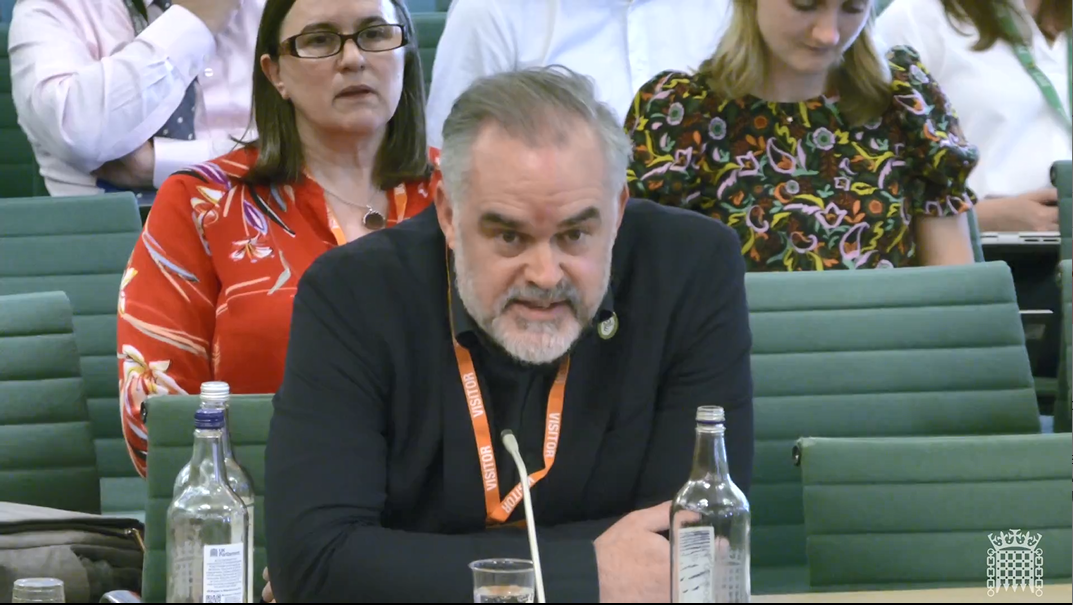
NHS reforms at risk as management capacity is cut, MPs told
MiP Chief Executive Jon Restell warns MPs that NHS reforms are at risk if the management capacity needed to make them happen is cut.
-

MiP responds to Health Secretary James Murray speech at NHS ConfedExpo
MiP says Health Secretary James Murray was right to recognise the innovation and creativity in the NHS, but the very people who drive it are the ones who are losing their jobs.


